
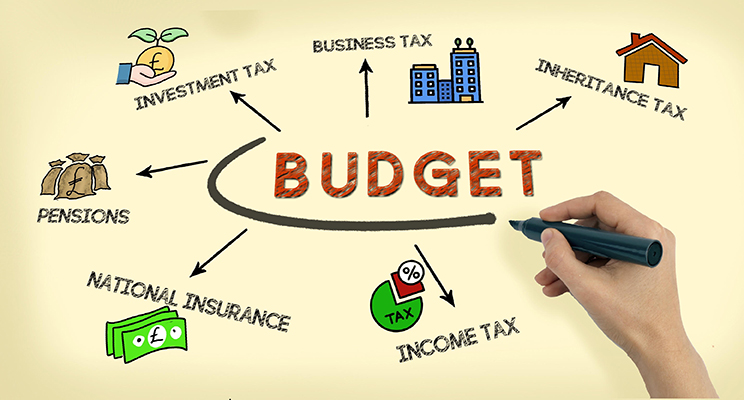
Budget 2025 Review: What It Means for You
The Autumn Budget 2025 arrived against a backdrop of mounting fiscal pressure and a public increasingly weary of stagnant growth, squeezed services, and silent tax rises. While speculation swirled in the lead-up, the eventual announcements struck a familiar tone: no dramatic U-turns, but several subtle shifts that will meaningfully affect household and business finances over the coming years.
However, in the hours after the Budget, reports emerged suggesting the government may have presented a deliberately bleaker economic picture to soften expectations – despite having received more encouraging forecasts from the Office for Budget Responsibility (OBR) days earlier. Regardless of political positioning, the message was clear: borrowing is expensive, inflation remains sticky, and long-term credibility is now a guiding principle.
At Wilkins Southworth, our focus is always the same: cutting through the noise to highlight what matters for your situation. This year’s Budget demands attention not because of radical reform, but because of the slow, persistent effects it will have on pensions, estates, investments and income over the coming years.
Income tax: Frozen thresholds and fiscal drag
The government extended the freeze on income tax thresholds until 2030/31 – a decision that will quietly increase tax liabilities for millions through fiscal drag.
The Personal Allowance remains at £12,570, with higher rate tax kicking in at £50,270 and the additional rate at £125,140. On the surface, rates haven’t changed, but inflationary pay rises will steadily push more income into higher tax bands.
Add to this the upcoming 2% increase in dividend tax from April 2026 and the future rise in taxation of savings and rental income, and the impact becomes more acute. This is particularly relevant for those using dividends to extract income from limited companies or family investment companies (FICs).
Now is the time to review income structures – whether that means reconsidering dividends versus salary, exploring LLP benefits, or assessing if personal allowances are being fully utilised within families.
Pensions: Retirement, salary sacrifice and IHT inclusion
Three pension-related changes were confirmed this year – two with direct implications for higher earners and long-term planning.
First, the introduction of a £2,000 cap on National Insurance-free salary sacrifice from April 2029. Contributions beyond this will now incur both employer and employee NI, reducing the efficiency of higher-value pension contributions. Directors and high earners will need to review how they structure remuneration and savings strategies.
Second, the long-signalled inclusion of unused pension pots within the taxable estate for Inheritance Tax purposes (from April 2027). While spouse transfers remain exempt, this change erodes one of the key benefits of pension-based estate planning. It’s likely to shift more focus towards trust planning, FICs, and other legacy structures.
Finally, the State Pension will rise by 4.8% from April 2026. While welcomed by retirees, the bigger implications lie in how these changes interact with income drawdown, estate preservation and the sequencing of retirement funding.
National insurance: The pension trade-off
National Insurance thresholds and rates remain unchanged this year, but the salary sacrifice cap from 2029 adds complexity. For those contributing significantly to pensions via salary sacrifice, only the first £2,000 will remain NI-free. On a £5,000 sacrifice, this could mean paying £60 more in NI personally and up to £450 more from an employer.
This introduces a need for careful planning across payroll, benefit design and long-term pension strategy – particularly for owner-directors or businesses offering enhanced schemes. Our team of experts can help you assess the implications and structure contributions for maximum efficiency.
Inheritance tax: Freezes and future planning
Inheritance Tax (IHT) remains one of the most punitive and complex parts of the UK tax system, and this Budget quietly ensured that more estates will drift into the IHT net.
Both the standard £325,000 nil-rate band and the £175,000 residence nil-rate band are frozen until 2031. As property and investment values continue to rise, more families will face unexpected IHT liabilities.
Two important changes merit attention:
- From April 2026, Agricultural Property Relief (APR) and Business Property Relief (BPR) claims will share a new £1 million transferable cap, adding flexibility but reducing total relief for estates with both asset types.
- From 2027, unused pensions become part of the taxable estate – requiring urgent rethinking of how pension assets are used or passed on.
Whether you’re planning intergenerational transfers, considering trusts or FICs, or reviewing your will, early action could make a significant difference.
Business & investment taxes
Several measures will reshape how income from investments and property is taxed, and not for the better:
- Dividend Tax: Up 2% from April 2026. The basic rate will increase to 10.75%, the higher rate to 35.75%, while the additional rate remains unchanged at 39.35%.
- Savings & Property Income: From April 2027, both will be taxed under new, separate bands: 22%, 42%, and 47%, respectively.
- Rental Income: The creation of a new tax regime for property income suggests a divergence of tax rates going forward, raising the effective burden on landlords.
For business owners:
- A new 40% first-year capital allowance, effective from January 2026, encourages investment.
- But the writing-down allowance will drop to 14% from April 2026, reducing longer-term relief.
VCTs and EIS schemes also face significant reform:
- Income tax relief on VCTs drops from 30% to 20%.
- Larger companies will now qualify for EIS/VCT investment, expanding the market.
Clients who use FICs or draw investment income should revisit their extraction and dividend policies, and landlords may want to review their approach before changes in 2027.
From 2027, the ISA cash holding will also be capped at £12,000 within the £20,000 allowance – though those aged 65 and over will be exempt from this restriction. The government will also consult on replacing the Lifetime ISA with a simpler first-time buyer scheme from 2026. For existing LISA holders, no immediate action is required.
Market and economic commentary
Despite the pre-Budget noise, the financial markets responded with relative calm. Gilt yields stabilised, sterling strengthened, and the FTSE saw a modest jump. The mood was one of cautious relief – there were no shocks, and the government reaffirmed its commitment to stability.
That stability matters, with mortgage pricing, investment confidence and future fiscal policy all dependent on keeping UK debt credible and markets steady.
Higher for longer interest rates also remain a headwind for households and businesses alike, and the Budget offered little short-term relief. But with inflation now tracking closer to 3.5%, the Bank of England may have room to reduce interest rates, providing hope for borrowers and investors.
Conclusion: What to do next
For most clients, this Budget won’t change things overnight. But it will shape the financial landscape over the next five years in ways that require a proactive approach:
- Review pension contributions, especially if you rely on salary sacrifice.
- Revisit estate plans, particularly with pensions to be drawn into IHT.
- Consider your dividend extraction strategy and personal allowances.
- Assess property portfolios ahead of 2027’s new tax regime.
At Wilkins Southworth, we’re here to help you adapt smoothly and efficiently. The goal isn’t dramatic overhauls, but thoughtful adjustments that protect your position and enhance long-term outcomes.
Whether you’re affected by one change, many, or as yet uncertain, we’ll ensure your strategy remains robust and forward-looking.
Contact us to schedule a review – we’re here to help you stay one step ahead.