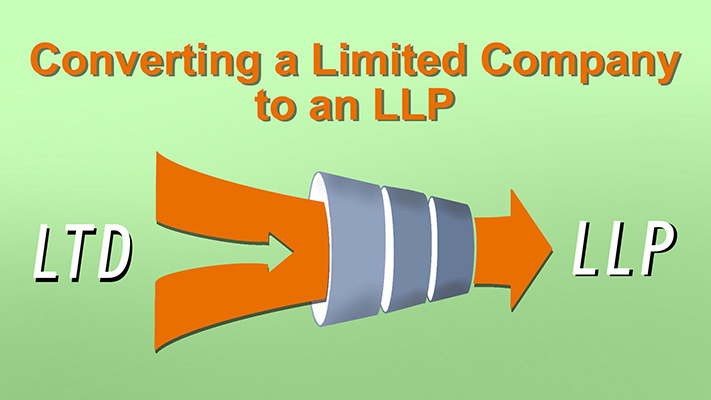
Converting a Limited Company to an LLP
Every week, another company owner asks us whether they’d pay less tax as an LLP.

Every week, another company owner asks us whether they’d pay less tax as an LLP.
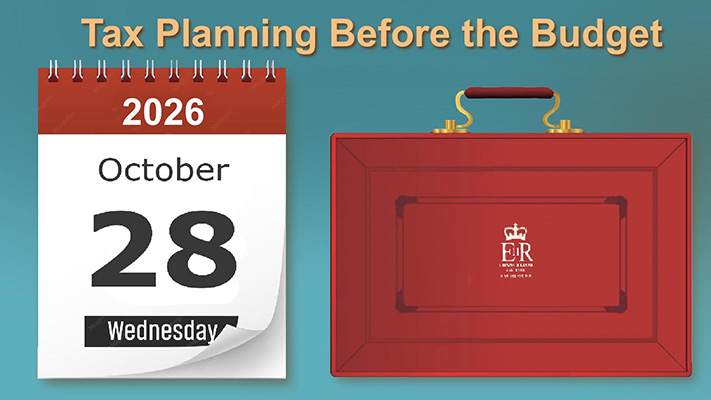
As we approach the Budget on 28 October, speculation about possible tax changes is gathering pace.
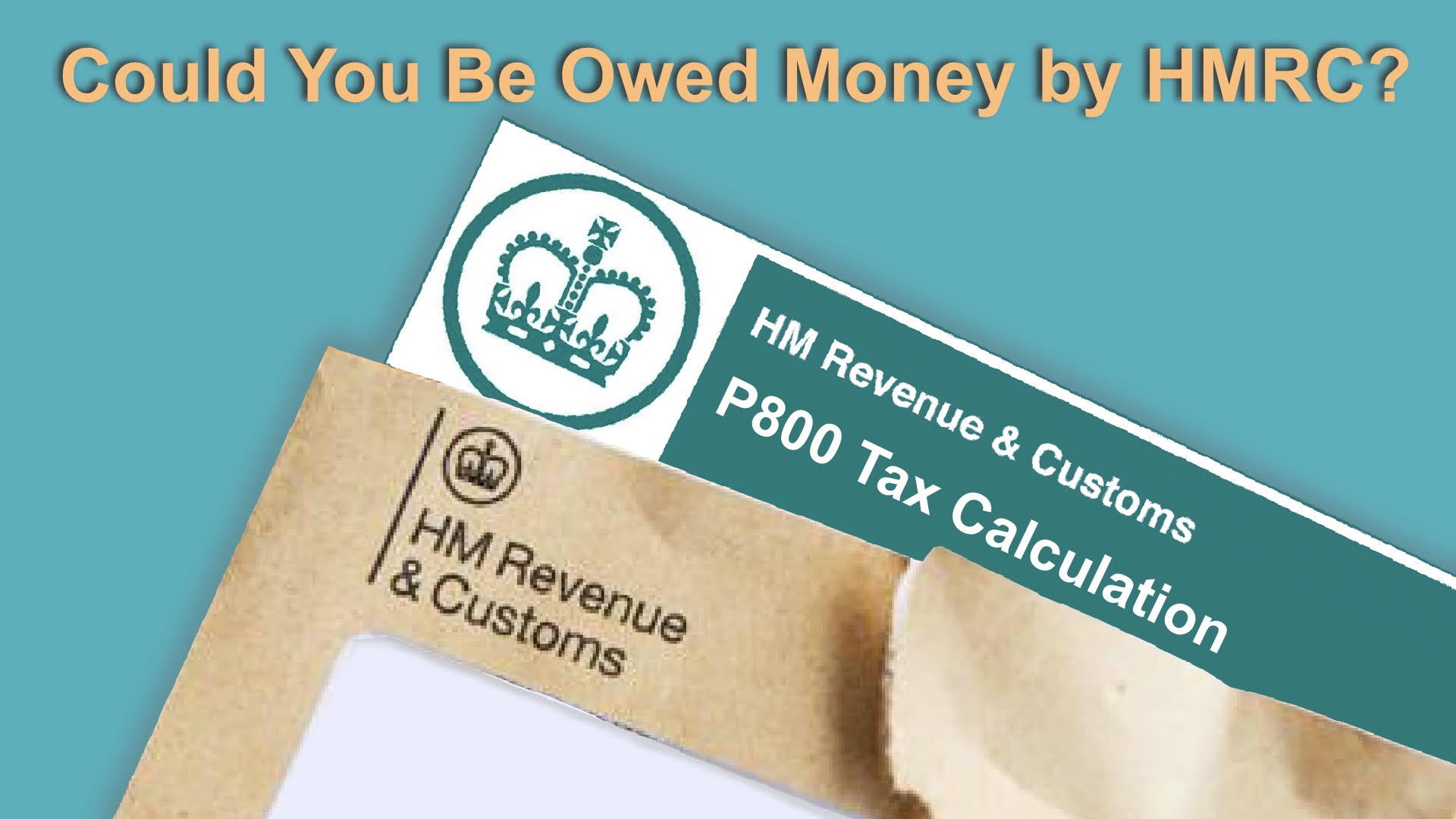
P800 letters are already landing on doormats, and HMRC has confirmed the reconciliation process will run through to November 2026
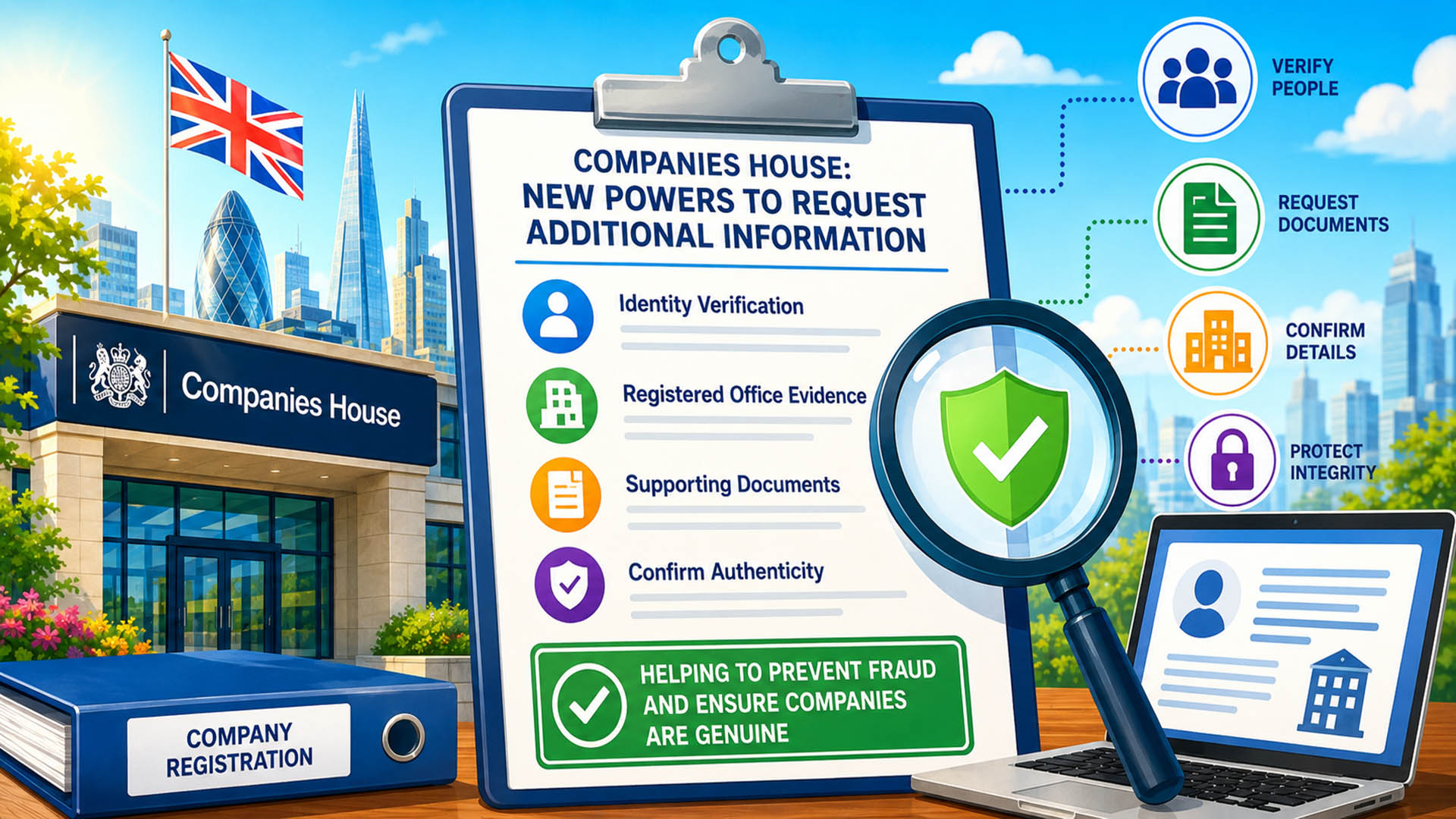
Companies House Is Cracking Down - But Can It Move Fast Enough?
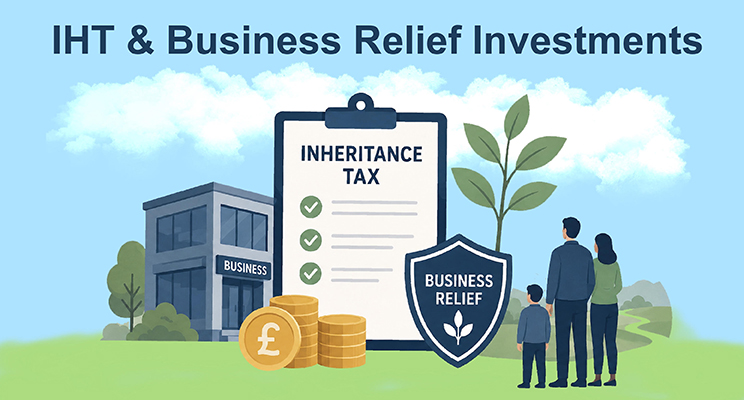
It's probably not a question most investors ask. For many, the inheritance tax benefits are understandably the main attraction.

HMRC recently announced that its use of digital analytics and AI helped recover or protect around £10 billion in tax during the last financial year.
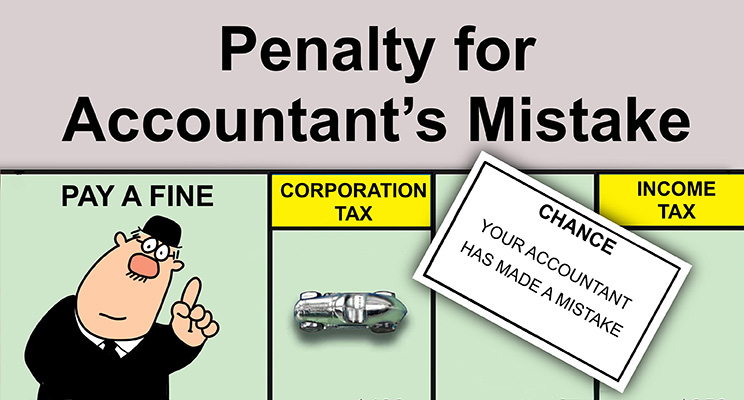
Most people assume that once they've appointed an accountant, responsibility for preparing an accurate tax return passes to them.

Most people assume tax residence disputes revolve around complex planning structures or aggressive tax strategies.

For many internationally mobile individuals, the abolition of the remittance basis and introduction of the Foreign Income and Gains (FIG) regime initially sounded relatively attractive.